Product · March 1, 2026 · 13 min read · Sartaj Aziz Lone
SEO in 2027: How to Get Found, Trusted and Chosen
What SEO looks like in 2027, how AI search changes it, and a clear, practical plan to earn more visibility, trust and leads for your business.
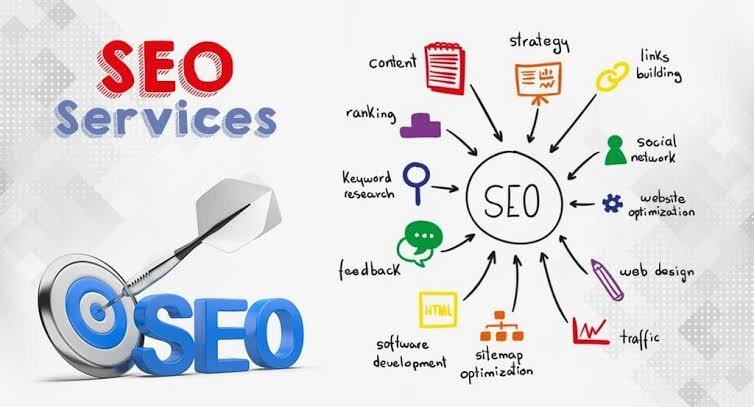
Let's be honest: building a website is the easy part. The hard part is getting the right people to find it.
Think about how you search yourself. You type a question, skim a few results, maybe read an AI-generated summary, and make up your mind in seconds. Your customers do the same. If your business isn't showing up in that moment, or showing up but not sounding trustworthy, someone else gets the call.
That's what SEO (search engine optimization) is really about. It's not tricks or secret formulas. It's making your website easy for search engines to understand and genuinely useful for the people who land on it.
In 2027, that second part matters more than ever. Search now includes AI-generated answers, and they tend to quote sources that are clear, specific and credible. So the businesses that win are the ones that actually know their stuff and show it.
At Appo Matrix, we help businesses do exactly that, through practical SEO, website optimization and content that earns its place. This guide walks through what SEO looks like today and how to build a plan you can actually follow.
What Is SEO, Really?
SEO is the work of helping search engines understand your website and helping people find the answers they came for.
In practice, it means:
Figuring out what your customers are searching for, and why.
Writing pages that answer those questions clearly.
Keeping your site fast, secure and easy to use on a phone.
Linking your pages together in a way that makes sense.
Watching the data and improving things over time.
Unlike paid ads, SEO earns visibility rather than renting it. It takes patience, but the payoff tends to last. A good page can keep bringing in the right visitors long after you publish it.
What's Changed in 2027
The basics of SEO haven't gone away. What has changed is the setting around them.
Search results are more than ten blue links. Many searches now show AI-generated summaries, follow-up suggestions and conversational answers at the top. People also ask AI assistants for recommendations directly, without opening a traditional search page at all.
Some people get their answer without clicking. That means getting mentioned, quoted or recommended matters alongside getting clicked. Traffic is still the goal, but trust and brand recognition now do a lot of the early work.
Generic content is everywhere. Anyone can produce a thousand words in a minute. Because of that, original insight, real examples and first-hand experience stand out more than they used to.
Users are less patient. Slow, cluttered or confusing pages lose people quickly, and search systems notice how people respond.
The good news? What works now is mostly common sense: be useful, be clear, be trustworthy, and make your site easy to use.
Why SEO Still Matters for Your Business
1. People start with search
Whether it's Google, an AI assistant or a map app, buying journeys still tend to begin with a question. SEO helps you show up when that question is about something you do.
2. It brings in people who are already interested
Someone searching for "mobile app development cost for a startup" is a very different visitor from someone who stumbled onto your homepage. SEO helps you meet people at the moment they're looking for what you offer.
3. It builds trust before anyone talks to you
A clear service page, an honest article and a professional website all say something about your business before you ever speak to a customer. Many people judge you well before they fill in a form.
4. It supports your other marketing
Good SEO content works hard in other places too. It feeds your social posts, email newsletters, sales conversations and even paid campaigns.
5. It compounds over time
Paid ads stop the moment the budget does. SEO builds slowly, but each good page, link and improvement adds to the next. We can't promise rankings or timelines, since results depend on competition, your site's current condition, content quality and effort. But consistent work builds a stronger foundation every month.
The Five Pillars of SEO
1. On-page SEO
This is everything you control on the page itself.
Clear, specific page titles and meta descriptions.
Headings that tell the reader what each section covers.
Natural use of your main keyword and related terms.
Original, helpful content written for a real person.
Descriptive image alt text.
Sensible internal links and clean URLs.
A simple test: read your page out loud. If it sounds like it was written for a search engine, rewrite it for a person.
2. Technical SEO
Technical SEO makes sure search engines can find, read and index your site without tripping over problems.
Crawlability and indexability.
XML sitemap and robots.txt set up correctly.
HTTPS everywhere.
A mobile-friendly layout.
Fast loading and a responsive feel when people tap or click.
Clean redirects and canonical URLs.
Structured data, where it accurately describes the page.
No broken links or avoidable errors.
You don't need a perfect score on every tool. Fix what actually affects visitors and indexing first.
3. Keyword research
Keyword research is about understanding the words and questions your customers use, which are often different from the words you use internally.
For each keyword or topic, ask:
Is it relevant? Does it match what you actually offer?
What's the intent? Is the person learning, comparing or ready to buy?
How tough is the competition? Can you realistically compete?
Is it worth it? Would this kind of visitor become a good customer?
Can you answer it well? Do you have something genuinely useful to say?
A software company, for example, might build separate pages for "custom software development," "SaaS development services" and "mobile app development." Each page should say something distinct, rather than repeating the same thing with a different headline.
In 2027, it also helps to think in questions, not only keywords. People talk to search tools the way they talk to a colleague: "What should I look for in a software development partner?" Pages that answer questions like these clearly are the ones that get picked up and quoted.
4. Content SEO
Content is how you show what you know.
Formats that tend to work well:
Helpful blog articles and how-to guides.
Clear, detailed service and product pages.
Case studies and real project stories.
FAQs that answer real customer questions.
Comparisons, checklists and practical resources.
Short videos or walkthroughs where they genuinely help.
Publishing more isn't the goal. Publishing something worth reading is. Before you hit publish, ask yourself: what does this page offer that a reader couldn't get from the first ten results? If you can't answer, it's not ready yet.
The strongest content usually includes something only you can provide: your own experience, your data, a lesson from a project, a mistake you've seen clients make.
5. Off-page SEO and reputation
Off-page SEO covers everything that happens beyond your website: links from other sites, mentions, reviews, partnerships and your general reputation.
The approach that holds up over time is simple:
Create things other people actually want to reference.
Build real relationships in your industry.
Earn coverage, mentions and citations honestly.
Keep your business details consistent across the web.
Stay far away from bought links and spam tactics. They create risk, not growth.
As AI tools increasingly summarize and recommend businesses, being known and talked about in the right places counts for more.
How to Build an SEO Strategy That Works
You don't need to do everything at once. Here's a sensible order.
Step 1: Start with an honest audit
Look at where your website stands today. Find slow pages, missing titles and descriptions, duplicate or thin content, weak service pages and confusing navigation.
Google Search Console, Google Analytics and PageSpeed Insights are good free places to start.
Step 2: Get to know your audience
Who are your best customers? What are they worried about? What do they ask before they buy? Write the questions down. They're your content roadmap.
Then group your keywords by intent and match each group to a page. One page, one clear purpose.
Step 3: Fix your most important pages first
Start with the pages closest to revenue: your homepage, core service pages and top products. Sharpen the titles, headings, copy, internal links and calls to action. Make sure each page says clearly who it's for and what to do next.
Step 4: Publish content that answers real questions
Pick questions your customers genuinely ask and answer them properly. Link each article to the relevant service page so readers have a natural next step.
For example, an article on "how much does a mobile app cost?" can lead naturally to your mobile app development page.
Step 5: Look after the technical side
Make sure your key pages can be crawled and indexed. Check speed, mobile experience, redirects, broken links and your sitemap. Prioritize by impact. Don't spend a week chasing a minor warning that no visitor will ever notice.
Step 6: Measure, learn, repeat
SEO is never really finished. Each month, look at organic clicks, impressions, which queries you appear for, how visitors behave and how many become leads. Then update old pages, improve what's underperforming and add what's missing.
Optimizing for AI Search
This is the part most guides skip or overcomplicate. The truth is that optimizing for AI-powered search looks a lot like good SEO, done thoroughly.
Here's what helps:
Answer questions directly. Put a clear, concise answer near the top of the section, then add detail below.
Use descriptive headings. Write them the way people phrase questions.
Show real experience. Include examples, results, lessons and the names and roles of the people behind the work.
Be consistent. Your business name, services, location and contact details should match everywhere they appear.
Keep content fresh. Update outdated pages and remove claims that are no longer true.
Use structured data honestly. Mark up what's actually on the page and nothing more.
Make pages easy to read. Short paragraphs, clear structure and plain language help people and machines alike.
Earn mentions. Reviews, partnerships, interviews and quality citations all build the picture of who you are.
One caution: there's no magic trick for getting quoted by AI tools, and anyone who promises a guaranteed spot in AI answers is overselling. What you can do is be the clearest, most credible source on your topic.
A note on using AI to write your content
AI tools are genuinely useful for research, outlines, brainstorming and editing. But publishing large amounts of unedited, generic AI text is a poor strategy. It sounds like everyone else, it can contain mistakes, and it adds nothing new.
Use AI as an assistant, not a replacement for knowing your subject. Have a real person review everything for accuracy, add real experience and make sure it sounds like your business.
Common SEO Mistakes (and How to Avoid Them)
Even good-looking websites struggle when the basics are neglected. Watch out for these:
Keyword stuffing. Repeating a phrase over and over hurts readability and won't help your rankings.
Thin pages. If a page doesn't give someone a real answer, there's little reason for it to rank.
Ignoring mobile. Most people will meet your site on a phone first.
Leaving technical problems unfixed. Indexing issues, broken links and slow pages quietly cost you visitors.
Making near-duplicate pages. Several pages saying the same thing compete with each other and confuse readers.
Buying links. Shortcuts like this can backfire badly.
Chasing traffic instead of customers. A thousand irrelevant visitors are worth less than ten who need exactly what you sell.
Expecting overnight results. SEO rewards consistency.
Publishing and forgetting. Old pages need updates too.
How to Measure SEO Success
Measure what connects to your business goals, not just rankings.
Metric
What it tells you
Organic clicks
How many people reach your site from search.
Impressions
How often your pages appear in search results.
Click-through rate (CTR)
How often people choose your result when they see it.
Keyword and query performance
Which searches your pages show up for.
Organic conversions
Whether search visitors take action, such as enquiring or buying.
Qualified leads
Whether you're attracting people who could become customers.
Page experience
Whether your site feels fast and easy to use.
Brand searches and mentions
Whether more people are looking for your business by name.
Google Search Console shows your clicks, impressions and queries. Google Analytics, set up properly, shows what visitors do once they arrive.
Rankings are a useful signal, but they aren't the goal. The goal is the right people finding you, trusting you and getting in touch.
How Appo Matrix Can Help
At Appo Matrix, we see SEO as more than adding keywords to a page. It's a mix of technical health, clear structure, genuinely helpful content and a strategy tied to what your business wants to achieve.
Here's where we can support you:
SEO audits and opportunity analysis.
Keyword research and search-intent mapping.
On-page and technical SEO.
Content strategy, writing support and optimization.
Website speed and performance improvements.
Internal linking and site structure.
Preparing your content for AI-powered search.
Ongoing monitoring and clear, plain-English reporting.
We focus on practical improvements that fit your goals, your audience and your budget. No jargon for the sake of it, and no promises we can't keep.
Final Thoughts
SEO in 2027 isn't about outsmarting algorithms. It's about being the business that clearly explains what it does, backs it up with real experience and makes life easy for the people who visit.
You don't need to do everything at once. Start with an honest look at your site, understand what your customers are searching for, fix your most important pages and keep improving month after month. Small, steady progress adds up.
Want help finding your best SEO opportunities?
The Appo Matrix team can review your website, spot what's holding it back and build a practical plan for sustainable growth.
Contact Appo Matrix to talk about your SEO and website optimization goals.
Frequently Asked Questions About SEO
How long does SEO take to work?
It varies. Some fixes, like cleaning up titles or correcting technical errors, can show an effect fairly quickly. Bigger gains in organic visibility usually take several months or longer, depending on competition, your site's condition, content quality and how consistently you work at it.
Is SEO still worth it with AI search?
Yes. AI-powered search tools rely on web content, and they tend to favor pages that are clear, accurate and credible. The fundamentals of good SEO are the same things that help you get found and cited in AI answers. What's changed is that your reputation and the quality of your content matter even more.
Can small businesses benefit from SEO?
Absolutely. SEO lets smaller businesses compete on expertise and relevance, not only on budget. A focused local or niche strategy can bring in customers without relying entirely on paid ads.
Is SEO better than paid advertising?
They do different jobs. Ads give you visibility while the budget runs. SEO builds visibility that can keep working over time. Many businesses use both, depending on their goals and cash flow.
Does SEO need ongoing maintenance?
Yes. Search systems, competitors, customer behavior and your own business all change. Regular check-ins and content updates keep your site healthy and relevant.
Can I do SEO myself?
You can handle the basics in-house with some learning and the right tools. If your market is competitive, your site has technical issues or your team is short on time, working with a specialist can save you a lot of trial and error.
Appo Matrix | Software Solutions & Digital Product Development
Helping businesses build stronger websites, improve online visibility and grow through practical digital solutions.